

How to choose the right screwdriver bit for a screw?
Picking the right screwdriver bit for a screw might seem like a no - brainer, but it's actually super important. As a supplier of Screwdrivers and Bits, I've seen firsthand how using the wrong bit can mess things up. So, let's dive into how you can make the right choice.
Understanding Screw Types
First off, you gotta know your screws. There are a bunch of different types out there, each with its own unique head design. The most common ones are Phillips, Pozi, and slotted screws.
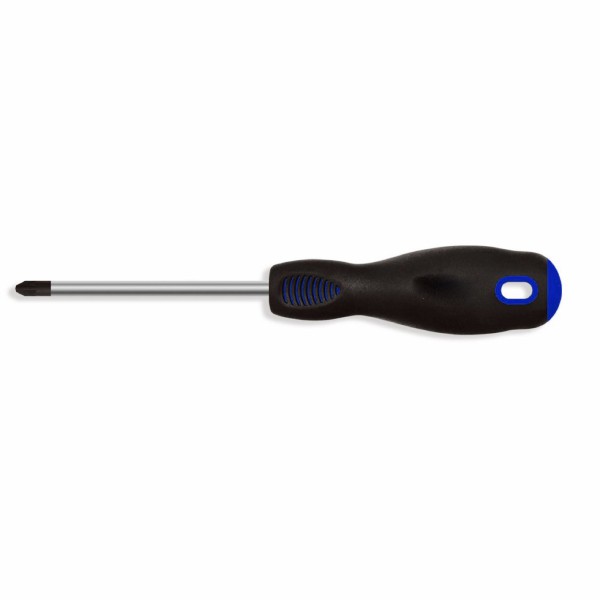
Phillips screws are those with a cross - shaped indentation on the head. They're everywhere, from electronics to furniture. The Phillips Tip Screwdriver is designed specifically for these screws. The tip of the Phillips bit fits snugly into the cross, allowing for efficient turning. But here's the thing, Phillips screws can sometimes cam out, which means the bit slips out of the screw head when you apply too much torque. This can damage the screw head and make it harder to drive the screw in or out.
Pozi screws look a bit similar to Phillips, but they have a more square - like cross shape. The Pozi Head Screwdriver is made to work with these. Pozi bits offer better torque transfer compared to Phillips bits. They're less likely to cam out, which is great when you're dealing with tough jobs. So, if you're working on something that requires a lot of force, like assembling a heavy - duty piece of machinery, Pozi screws and their corresponding bits are a good choice.
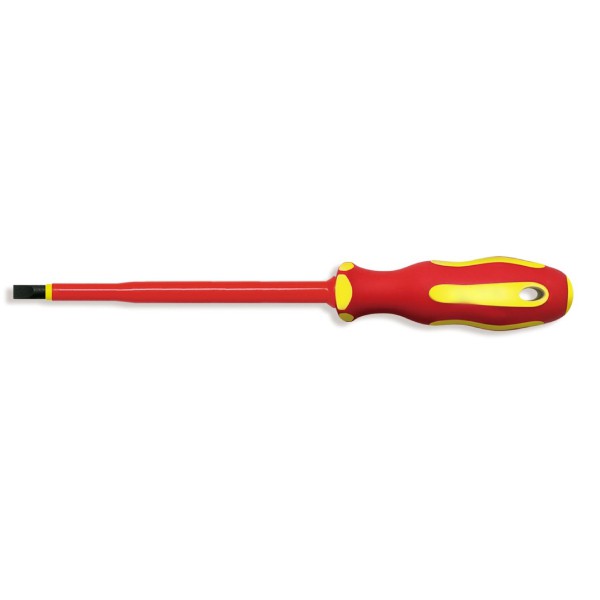
Slotted screws have a single straight groove on the head. You use a slotted screwdriver bit for these. The Insulated Slotted Screwdriver is especially useful when you're working with electrical components. The insulation protects you from electric shocks. However, slotted screws can be a bit tricky to work with because it's easy for the bit to slip out of the slot if you're not careful.
Considering Screw Size
The size of the screw also matters big time. Screws come in different diameters and lengths, and you need to match the bit size to the screw size. If the bit is too small, it won't fit properly into the screw head, and you won't be able to apply enough torque. On the other hand, if the bit is too big, it might damage the screw head.
For example, when you're working with small screws, like the ones you find in eyeglasses or small electronics, you'll need a tiny bit. These small bits are usually part of a precision screwdriver set. For larger screws, like the ones used in construction or furniture assembly, you'll need a bigger bit.
Most screwdriver bit sets come with a range of sizes, so you can choose the one that fits your screw. It's a good idea to have a set on hand so you're prepared for any job.
Material of the Bit
The material of the screwdriver bit is another factor to think about. Bits are typically made from different metals, and each has its own pros and cons.
High - carbon steel bits are common and relatively inexpensive. They're strong enough for most general - purpose jobs. However, they can wear out over time, especially if you're using them on hard materials like stainless steel.
Chrome - vanadium steel bits are a step up. They're more durable and resistant to wear and corrosion. These bits are great for heavy - duty applications, like automotive repair or construction work.
Cobalt - alloy bits are the top of the line. They're extremely hard and can withstand high temperatures. This makes them ideal for working on very hard materials, such as hardened steel. But they're also more expensive, so you might not need them for every job.
Coating on the Bit
Some screwdriver bits come with a coating. This coating can serve different purposes.
A black oxide coating is a popular choice. It helps to reduce friction between the bit and the screw head, which makes it easier to drive the screw. It also provides some corrosion resistance, so the bit will last longer.
A titanium - nitride coating is even better. It's very hard and wear - resistant. Bits with this coating can handle high - torque applications without wearing out quickly. However, they're also more costly.
Checking the Fit
Before you start using a screwdriver bit on a screw, it's a good idea to check the fit. Simply insert the bit into the screw head. The bit should fit snugly without any wobbling. If there's too much play, the bit is too small. If the bit doesn't fit at all, it's too big.
You should also make sure that the bit is centered in the screw head. If it's off - center, you won't be able to apply the torque evenly, and you might damage the screw or the bit.
Maintenance of Bits
Taking care of your screwdriver bits is important if you want them to last. After each use, clean the bits with a cloth to remove any debris or dirt. If the bits are really dirty, you can soak them in a mild solvent and then dry them thoroughly.
Store your bits in a proper case or organizer. This will prevent them from getting damaged or lost. And if you notice that a bit is starting to wear out, replace it. Using a worn - out bit can lead to more problems, like stripped screw heads.
Conclusion
Choosing the right screwdriver bit for a screw is all about understanding the screw type, size, the material and coating of the bit, and checking the fit. By taking these factors into account, you can make sure that your jobs go smoothly and that you don't damage your screws or tools.
As a Screwdrivers and Bits supplier, we've got a wide range of high - quality bits to meet all your needs. Whether you're a DIY enthusiast or a professional tradesperson, we can provide you with the right tools for the job. If you're interested in purchasing our products or have any questions, feel free to reach out for a procurement discussion. We're here to help you get the best tools for your projects.
References
- "Hand Tools for the Professional Tradesperson" - A guidebook on various hand tools and their proper use.
- Manufacturer's specifications for different screwdriver bits.