

How to choose the right size of retail shop furniture?
How to choose the right size of retail shop furniture?
As a seasoned supplier of retail shop furniture, I understand the pivotal role that furniture size plays in crafting a successful retail environment. The right - sized furniture can elevate the customer experience, boost sales, and create a cohesive brand image. In this blog, I'll share insights on how to select the perfect size of furniture for your retail shop.
Understanding Your Retail Space
The first step in choosing the right furniture size is to have a comprehensive understanding of your retail space. Measure the length, width, and height of your store, including any alcoves, columns, or unique architectural features. Consider the traffic flow within the store – you want to ensure that customers can move freely between different sections.
For example, if you have a small boutique with limited floor space, opt for slender display units and compact seating. This will prevent the space from feeling crowded and allow customers to navigate comfortably. On the other hand, a large department store can accommodate bulkier and more substantial furniture pieces, which can help to create distinct zones within the space.
Aligning with Your Retail Concept
Your furniture size should be in harmony with your retail concept. If you are running a high - end luxury store, larger, more imposing furniture pieces can convey a sense of grandeur and exclusivity. For instance, you might choose large, plush armchairs and expansive display cabinets to showcase your premium products.
Conversely, if your store has a minimalist or contemporary concept, smaller and sleek furniture will better fit the aesthetic. Simple, clean - lined shelves and narrow tables can create a modern and uncluttered look. A trendy café that focuses on a cozy, community - centered atmosphere might choose smaller bistro tables and chairs, offering an intimate setting for customers to enjoy their drinks and snacks.
Considering Your Product Range
The nature and size of your products also influence the furniture size selection. If you sell large items such as furniture or appliances, you'll need large display areas and sturdy, appropriately sized furniture to showcase them. For example, when displaying sofas, you'll require floor space that allows customers to sit on them and get a feel of the comfort.
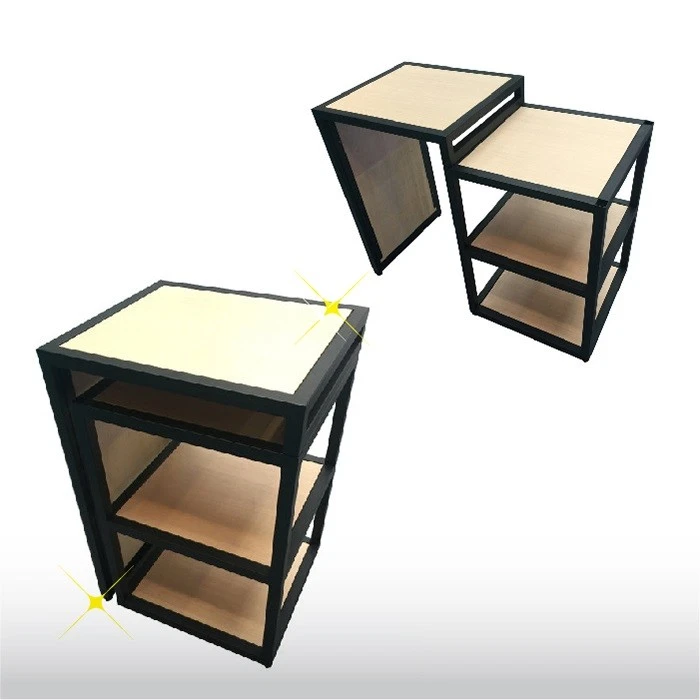
For smaller items like jewelry, cosmetics, or stationery, smaller display cases and stands are more appropriate. These not only make it easier to present your products attractively but also ensure that customers can access them easily. You can use Nesting Retail Tables to display a variety of small items in an organized and visually appealing way.
Visual Balance and Proportion
Creating visual balance and proportion in your retail store is essential. The furniture should not overpower the products or the overall space, nor should it seem too small and insignificant. You can achieve this by using a mix of furniture sizes. Combine larger statement pieces with smaller accent elements.
For example, in a clothing store, you might have a large freestanding clothing rack as a central display, surrounded by smaller side tables for folding and showcasing folded garments. In a homeware store, Stackable Wooden Tables can be used in different sizes to create a tiered and dynamic display, adding visual interest.
Future Expansion and Flexibility
When choosing the size of your retail shop furniture, it's important to consider future expansion. Your business may grow, and you might need to add more products or change the layout. Opt for furniture that is modular and can be easily reconfigured.
For example, stackable or nesting furniture is a great option as it can be easily stored when not in use and quickly set up for a different arrangement. Marble Effect Nest Of Tables are not only stylish but also offer flexibility in terms of size and arrangement.
Testing with Mock - Ups
Before making a final decision on furniture size, it's a good idea to use mock - ups. You can create paper or cardboard models of the furniture and place them in the store. This allows you to see how the furniture will fit into the space, how it will affect the traffic flow, and how it will look with your products.
You can also use virtual reality (VR) or 3D modeling tools to visualize the furniture in your store. This technology gives you an immersive experience of how the final setup will look and helps you to make informed decisions.
Customer Comfort and Accessibility
Don't forget about customer comfort and accessibility when choosing furniture size. Seating areas should be of the right size to allow customers to sit comfortably. If you have a waiting area, ensure that there is enough space between the seats for people to move in and out easily.
Display units should be at a height that is easy for customers to reach. Products should not be placed too high or too low, as this can make it difficult for customers to view and access them.
Conclusion
Selecting the right size of retail shop furniture is a multifaceted process that requires careful consideration of your retail space, concept, product range, and customer needs. By taking these factors into account, you can create a retail environment that is both functional and aesthetically pleasing.

If you're looking for high - quality retail shop furniture in the right sizes, our team of experts is here to help. We offer a wide range of furniture options that can be customized to fit your specific requirements. Get in touch with us to discuss your project and start creating the perfect retail space.
References
- Retail Design Institute. Various publications on retail space planning and furniture selection.
- Interior Design Magazine. Articles on creating balanced and functional retail environments.