

What are the safety tips for using a soldering iron in a car?
When it comes to automotive repair and customization, using a soldering iron in a car environment is a task that requires careful attention to safety. As an automotive tools supplier, I understand the importance of providing users with the right information to ensure their well - being while working with these tools. Here are some essential safety tips for using a soldering iron in a car.
1. Preparation Before Use
- Choose the Right Soldering Iron: Select a soldering iron with appropriate wattage for the automotive tasks you'll be performing. For small electronics repairs in a car, such as fixing a broken wire in the dashboard or a sensor, a lower - wattage soldering iron (around 20 - 30 watts) may be sufficient. If you're working on larger components like battery connections, a higher - wattage iron (50 - 100 watts) might be necessary. Our company offers a wide range of soldering irons suitable for different automotive applications, ensuring you have the right tool for the job.
- Inspect the Soldering Iron: Before using the soldering iron, carefully examine it for any signs of damage. Check the power cord for frays, cuts, or exposed wires. A damaged cord can pose an electrical shock hazard. Also, make sure the soldering tip is clean and in good condition. A dirty or damaged tip can affect the quality of the solder joint and may require more heat, increasing the risk of overheating other components in the car.
- Prepare the Work Area: Clear the area around the work site in the car. Remove any flammable materials, such as paper, cloth, or gasoline - soaked rags. Cars have many plastic components, and high temperatures from the soldering iron can melt them. Place a heat - resistant mat or a piece of metal sheet under the area where you'll be soldering to protect the car's interior or other components from heat damage.
2. Electrical Safety
- Disconnect the Battery: Before starting any soldering work in the car, disconnect the negative terminal of the car battery. This prevents any electrical shorts that could occur during the soldering process. A short circuit can damage the car's electrical system, including the battery, alternator, and various electronic modules. It also reduces the risk of electric shock to the user.
- Avoid Contact with Live Wires: Even after disconnecting the battery, there may still be some residual electrical charge in the car's capacitors or other components. Be extremely careful not to touch any exposed wires with the soldering iron or your hands. If you need to work on a wire that is part of a circuit, make sure it is completely isolated and de - energized.
3. Heat and Fire Safety
- Control the Heat: Keep the soldering iron at the appropriate temperature. Overheating can cause damage to the components you're soldering and increase the risk of starting a fire. Most modern soldering irons have adjustable temperature settings. Set the temperature according to the type of solder and the components you're working with. For example, lead - free solder typically requires a higher temperature than traditional lead - based solder.
- Have a Fire Extinguisher Nearby: It's always a good idea to have a fire extinguisher rated for electrical fires (Class C) within reach when using a soldering iron in a car. In case of an accidental fire, you can quickly extinguish it before it spreads and causes significant damage to the car.
- Prevent Heat Transfer: When soldering, be aware of how heat can transfer to other parts of the car. Avoid placing the soldering iron on plastic or rubber components for an extended period. Use heat - shrink tubing or other insulating materials to protect adjacent wires and components from the heat of the soldering process.
4. Fume and Ventilation
- Use a Well - Ventilated Area: Soldering produces fumes that can be harmful if inhaled. These fumes contain flux residues and other chemicals. When working in a car, open the windows and doors to ensure proper ventilation. If possible, work in an open garage or outdoors. You can also use a fume extractor to remove the fumes from the work area.
- Wear a Respirator: To further protect yourself from the fumes, wear a respirator with appropriate filters. A respirator can prevent you from inhaling harmful particles and chemicals, reducing the risk of respiratory problems in the long term.
5. Tool Handling and Storage
- Hold the Soldering Iron Properly: Use the soldering iron with a firm grip. Hold it by the insulated handle to avoid burns. Do not touch the hot tip of the soldering iron with your fingers or any other part of your body. When not in use, place the soldering iron in a holder to prevent it from accidentally coming into contact with flammable materials or causing damage to the car.
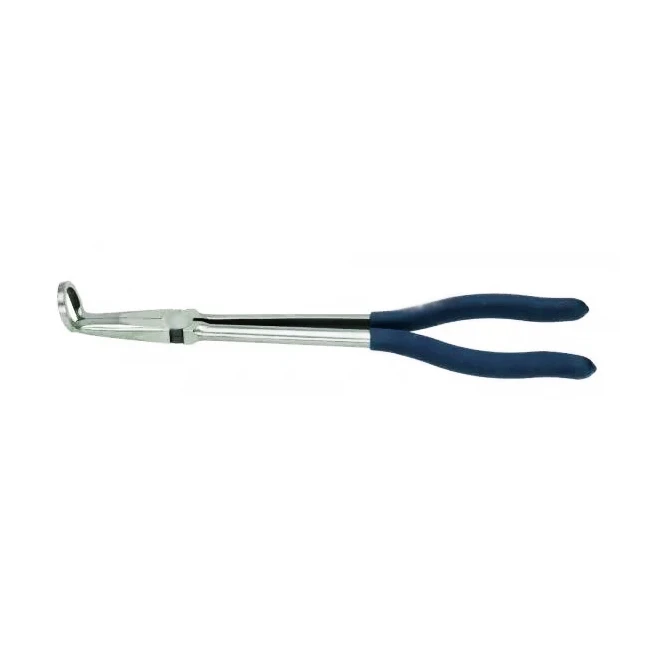
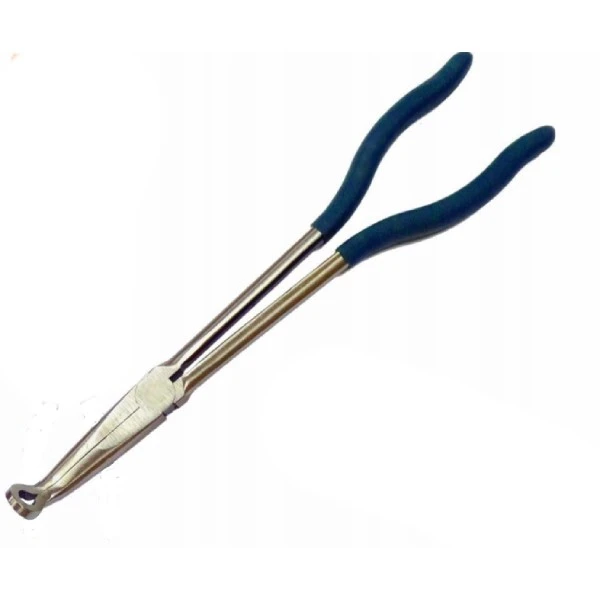
- Store the Soldering Iron Safely: After use, allow the soldering iron to cool down completely before storing it. Store it in a dry and safe place, away from children and pets. Also, keep the soldering iron and other related tools organized. For example, you can use a toolbox to store your soldering iron, solder wire, and other accessories like Long Hose Pliers, Oil Filter Chain, and Oil Filter Socket Tool. This not only keeps your tools in good condition but also makes it easier to find them when you need them for future automotive repair tasks.
6. Personal Protection
- Wear Protective Gear: In addition to a respirator, wear safety glasses to protect your eyes from solder splashes and flying debris. Gloves can also be worn to protect your hands from burns. Choose gloves that are heat - resistant and provide a good grip.
- Be Mindful of Your Surroundings: When using a soldering iron in a car, you may be in a confined space with limited mobility. Be careful not to bump into other parts of the car or knock over any tools. Pay attention to your body position to avoid straining your back or neck during the soldering process.
Conclusion
Using a soldering iron in a car can be a useful skill for automotive repair and customization. However, it comes with certain risks. By following these safety tips, you can minimize the chances of accidents and ensure a safe working environment. As an automotive tools supplier, we are committed to providing high - quality tools and the necessary information to help you work safely and effectively. If you're interested in purchasing soldering irons or other automotive tools, we invite you to contact us for procurement and negotiation. We'll be happy to assist you in finding the right tools for your automotive needs.
References
- "Automotive Electrical Systems Handbook"
- Safety guidelines from major soldering iron manufacturers
- Industry standards for automotive repair and safety