

What are the symptoms of a bad clutch in a car?
A car's clutch is a critical component in manual transmission vehicles, facilitating the smooth transfer of power from the engine to the wheels. When the clutch begins to malfunction, it can lead to a range of issues that affect the vehicle's performance and drivability. As an automotive tools supplier, understanding the symptoms of a bad clutch is essential for both mechanics and car owners. This knowledge not only helps in diagnosing problems promptly but also in determining the right tools needed for clutch repair or replacement.
Difficulty Shifting Gears
One of the most common symptoms of a failing clutch is difficulty shifting gears. If you find it hard to move the gear stick into different positions, especially when the engine is running, it could be a sign of a worn - out clutch. This problem often manifests as a grinding or crunching noise when trying to shift gears. In some cases, the gear stick may even get stuck, making it impossible to engage or disengage a gear.
The root cause of this issue is typically a clutch that is not fully disengaging. When the clutch fails to separate the engine from the transmission completely, the gears are still under load, and trying to shift them causes friction and grinding. To address this problem, mechanics may need to use tools like the Long Hose Pliers to access and adjust the clutch linkage or cables. These pliers offer a long reach and strong grip, allowing for precise adjustments in tight spaces.
Slipping Clutch
A slipping clutch is another tell - tale sign of a bad clutch. You can identify a slipping clutch when you accelerate, but the engine speed increases without a corresponding increase in the vehicle's speed. For example, you might press the accelerator pedal, and the engine revs go up, but the car doesn't pick up speed as it should. This is because the clutch is not effectively transferring the engine's power to the transmission.
Several factors can cause a slipping clutch, including a worn clutch disc, a weak pressure plate, or contaminated clutch surfaces. Over time, the friction material on the clutch disc wears down, reducing its ability to grip the flywheel and pressure plate. Oil or other contaminants on the clutch surfaces can also cause slippage. To diagnose and repair a slipping clutch, mechanics may need to use a Jaw Oil Filter Wrench to remove the oil filter and inspect for any signs of oil leakage that could be contaminating the clutch. Additionally, they may need to disassemble the clutch assembly, which requires a set of high - quality socket wrenches and screwdrivers.
Burning Smell
A burning smell, similar to that of overheated brakes or burning rubber, can indicate a problem with the clutch. This smell is often the result of excessive friction between the clutch components. When the clutch slips or fails to engage properly, the friction material on the clutch disc heats up, producing a distinct burning odor.
If you notice a burning smell coming from your car, it's crucial to address the issue immediately. Continuing to drive with a burning clutch can cause further damage to the clutch assembly and other transmission components. Mechanics can use a Radiator Hose Pick Tool to inspect the radiator hoses and coolant system for any signs of overheating that could be contributing to the clutch problem. This tool allows for easy removal and inspection of radiator hoses without causing damage.
Soft or Spongy Clutch Pedal
A soft or spongy clutch pedal is another symptom of a bad clutch. When you press the clutch pedal, it should have a firm and consistent feel. If the pedal feels soft or sinks to the floor easily, it could indicate a problem with the clutch hydraulic system. This system includes the clutch master cylinder, slave cylinder, and the hydraulic lines.
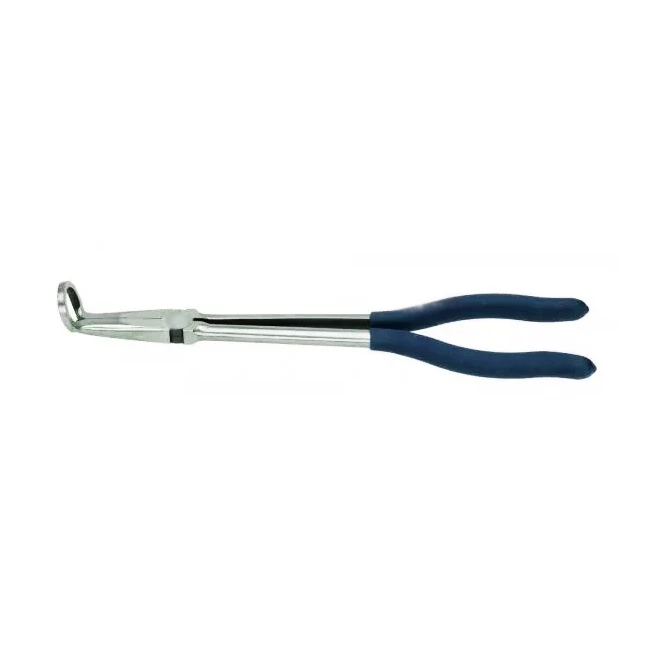

A leak in the hydraulic system, air in the lines, or a failing master or slave cylinder can cause the clutch pedal to feel soft. To diagnose and repair this issue, mechanics may need to use specialized tools to bleed the clutch hydraulic system and check for leaks. Tools like the Long Hose Pliers can also be useful for tightening or replacing hydraulic lines.
Clutch Drag
Clutch drag occurs when the clutch does not fully disengage, causing the gears to continue to rotate even when the clutch pedal is fully depressed. This can make it difficult to shift gears smoothly, especially when coming to a stop or starting from a standstill. You may experience a grinding noise when trying to shift into first or reverse gear.
Clutch drag can be caused by a variety of factors, including a warped clutch disc, a misaligned pressure plate, or a problem with the clutch release bearing. To diagnose and repair clutch drag, mechanics may need to disassemble the clutch assembly and use precision measuring tools to check for proper alignment and wear.
Importance of Prompt Diagnosis and Repair
Ignoring the symptoms of a bad clutch can lead to more severe problems and costly repairs down the road. A failing clutch can cause damage to other transmission components, such as the gears and bearings. It can also affect the vehicle's fuel efficiency and overall performance.
As an automotive tools supplier, we understand the importance of having the right tools for clutch diagnosis and repair. Our range of high - quality tools, including the Radiator Hose Pick Tool, Long Hose Pliers, and Jaw Oil Filter Wrench, are designed to meet the needs of professional mechanics and DIY enthusiasts alike.
Contact for Procurement
If you are in the market for reliable automotive tools for clutch repair or other automotive maintenance tasks, we invite you to reach out to us. Our team of experts can assist you in selecting the right tools for your specific needs. Whether you are a small repair shop or a large automotive dealership, we have the tools and expertise to support your operations.
References
- "Automotive Transmission and Driveline Systems" by James D. Halderman
- "How a Car Works" by Haynes Manuals