

What is the best way to align a screwdriver bit with a screw?
Achieving a proper alignment between a screwdriver bit and a screw is a fundamental yet crucial aspect of any screwdriving task. Whether you're a professional tradesperson or a DIY enthusiast, the quality of this alignment can significantly impact the efficiency and success of your work. As a trusted supplier of Screwdrivers and Bits, I've witnessed firsthand the importance of this skill and the role that high - quality tools play in it. In this blog, I'll share some of the best ways to align a screwdriver bit with a screw effectively.
Understanding the Basics of Screw and Bit Compatibility
Before attempting to align the bit with the screw, it's essential to ensure that you have the right combination of screwdriver bit and screw. There are various types of screw heads, each designed to work with a specific type of screwdriver bit.
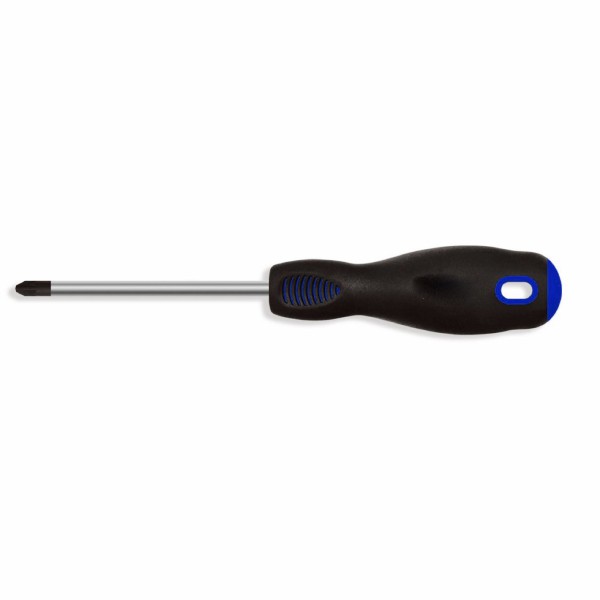
For example, a Phillips head screw requires a Phillips Tip Screwdriver. The Phillips head has a cross - shaped recess, and the corresponding bit is designed to fit precisely into it. A proper fit ensures that the torque is evenly distributed, reducing the risk of stripping the screw head.
Another common type is the Pozidriv or Pozi head screw, which uses a Pozi Head Screwdriver. The Pozi head has a similar cross - shaped pattern but with additional smaller indentations. This design allows for better torque transfer and less cam - out (the bit slipping out of the screw head) compared to Phillips head screws.
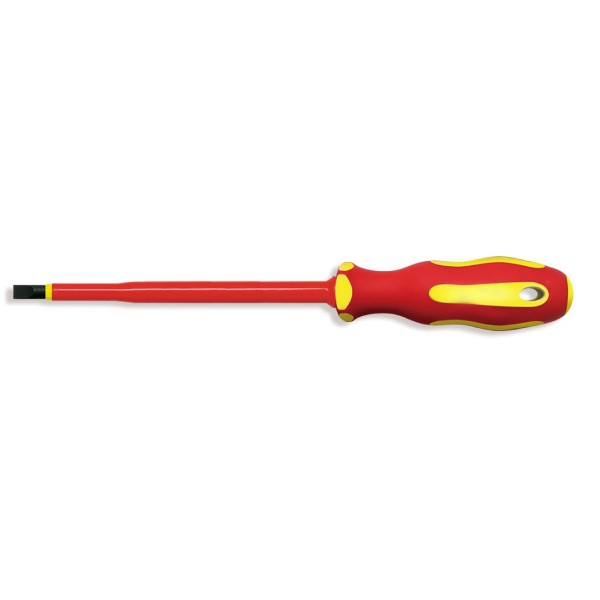
Slotted screws, with a single straight recess, are used with a slotted screwdriver. For electrical work, an Insulated Slotted Screwdriver is often preferred to prevent electrical shock.
Preparing the Workspace
A clean and organized workspace is essential for accurate alignment. Remove any debris or obstructions around the screw. If the screw is in a tight or hard - to - reach area, use a mirror or a flashlight to get a better view. Additionally, make sure the surface on which the work is being done is stable. If the workpiece is wobbly, it will be much more difficult to align the bit accurately.
Manual Alignment Techniques
Visual Inspection
The first step in manual alignment is to visually inspect the screw head and the screwdriver bit. Hold the bit up to the screw head and check for a proper fit. Make sure the bit is centered over the screw head. You can use your fingers to guide the bit into the recess of the screw head. Apply gentle pressure to keep the bit in place.
Using the Right Angle
Maintaining the correct angle between the screwdriver and the screw is crucial. The screwdriver should be perpendicular to the surface of the screw head. Even a slight deviation from the perpendicular can cause the bit to slip out of the screw head or damage the screw. You can use a small spirit level or a right - angle tool to check the angle if necessary.
Applying Steady Pressure
Once the bit is in the screw head, apply steady pressure. This pressure helps to keep the bit engaged with the screw and prevents it from slipping. However, be careful not to apply too much pressure, especially when starting to turn the screw. Excessive pressure can damage the screw head or the bit. As you turn the screw, continue to apply pressure and make sure the bit remains centered.
Power Tool Alignment
Chuck Adjustment
If you're using a power screwdriver, the first step is to ensure that the chuck (the part that holds the bit) is adjusted correctly. The chuck should be tightened securely around the bit to prevent it from slipping. Loose chucks can cause the bit to move around, making alignment difficult.
Speed Control
Most power screwdrivers have variable speed settings. When aligning the bit with the screw, start at a low speed. This gives you more control and reduces the risk of the bit slipping out of the screw head. Once the bit is properly aligned and the screw starts to turn, you can gradually increase the speed.
Depth Adjustment
Some power screwdrivers come with a depth adjustment feature. This feature allows you to set the maximum depth to which the screw can be driven. When aligning the bit with the screw, make sure the depth adjustment is set correctly. This ensures that the screw is driven to the appropriate depth without over - or under - driving.
Troubleshooting Alignment Issues
Stripped Screw Heads
If the screw head is stripped, it will be very difficult to align the bit. In this case, you can try using a larger - sized bit or a bit with a different profile. However, if the stripping is severe, you may need to remove the screw using other methods, such as a screw extractor, and replace it with a new one.
Bit Wear
Over time, screwdriver bits can wear out. A worn - out bit may not fit properly into the screw head, making alignment difficult. Regularly inspect your bits for signs of wear, such as rounded edges or a loss of sharpness. Replace worn bits with new ones to ensure proper alignment.
Obstructions in the Screw Head
Sometimes, debris or dirt can accumulate in the screw head, preventing the bit from fitting properly. Use a small brush or compressed air to clean the screw head before attempting to align the bit.
The Role of High - Quality Tools
As a supplier of Screwdrivers and Bits, I can't stress enough the importance of using high - quality tools. High - quality bits are made from better materials and are more precisely machined. This means they fit more accurately into the screw heads, reducing the risk of alignment issues. Additionally, high - quality screwdrivers are designed to provide better grip and control, making it easier to align the bit with the screw.
Conclusion
Aligning a screwdriver bit with a screw is a skill that requires practice and attention to detail. By understanding the basics of screw and bit compatibility, preparing the workspace, using the right alignment techniques, and troubleshooting common issues, you can ensure a successful screwdriving operation. Remember, using high - quality tools from a reliable supplier is key to achieving accurate alignment.
If you're in the market for top - notch Screwdrivers and Bits, we're here to help. Our extensive range of products is designed to meet the needs of both professionals and DIYers. Contact us to discuss your requirements and start a procurement negotiation.
References
- "Hand Tools: A Comprehensive Guide", McGraw - Hill Publishing
- "The Art of Screwdriving", DIY Expert Magazine