

What is the best way to lubricate a screwdriver bit?
Hey there, fellow DIY enthusiasts and professional mechanics! As a supplier of Screwdrivers and Bits, I've seen firsthand how crucial it is to keep your tools in top-notch condition. One aspect that often gets overlooked is the lubrication of screwdriver bits. In this blog, I'll share with you the best way to lubricate a screwdriver bit and why it matters.
First off, let's talk about why lubricating your screwdriver bits is important. Over time, screwdriver bits can accumulate dirt, debris, and rust, especially if they're used in harsh environments. This buildup can not only make it harder to insert and remove the bits from the screwdriver but also reduce their effectiveness. Lubrication helps to prevent corrosion, reduces friction, and extends the lifespan of your bits. It also makes the screwdriving process smoother and more efficient, saving you time and effort.
Now, let's dive into the best way to lubricate a screwdriver bit. The first step is to clean the bit thoroughly. Use a clean cloth or a brush to remove any visible dirt, dust, or debris from the bit. You can also soak the bit in a mild cleaning solution for a few minutes to loosen stubborn grime. Make sure to dry the bit completely before proceeding to the next step.
Once the bit is clean and dry, it's time to apply the lubricant. There are several types of lubricants that you can use, but the most common ones are oil-based lubricants, silicone-based lubricants, and dry lubricants.
Oil-based lubricants, such as machine oil or WD-40, are great for general-purpose lubrication. They provide a thick, protective layer that helps to prevent rust and corrosion. However, they can attract dirt and dust over time, so you may need to clean the bit more frequently if you use an oil-based lubricant.
Silicone-based lubricants are another popular option. They're water-resistant, non-greasy, and have a high temperature tolerance. Silicone lubricants are ideal for use in wet or humid environments, as they help to prevent moisture from causing damage to the bit. They also provide a smooth, long-lasting lubrication that reduces friction and wear.
Dry lubricants, such as graphite or Teflon, are best for applications where you don't want a greasy residue. They're often used in precision machinery and electronics, as they don't attract dust or debris. Dry lubricants work by creating a thin, slippery film on the surface of the bit, which reduces friction and makes it easier to insert and remove the bit.
To apply the lubricant, you can use a small brush, a spray can, or a dropper. If you're using an oil-based lubricant, apply a small amount to the tip and the shank of the bit, and then spread it evenly using the brush. Make sure to cover the entire surface of the bit, including the flutes and the edges. If you're using a silicone-based or dry lubricant, follow the instructions on the product label for the best results.
After applying the lubricant, let the bit sit for a few minutes to allow the lubricant to penetrate the surface. Then, wipe off any excess lubricant using a clean cloth. This will prevent the lubricant from attracting dirt and dust and ensure that the bit performs at its best.
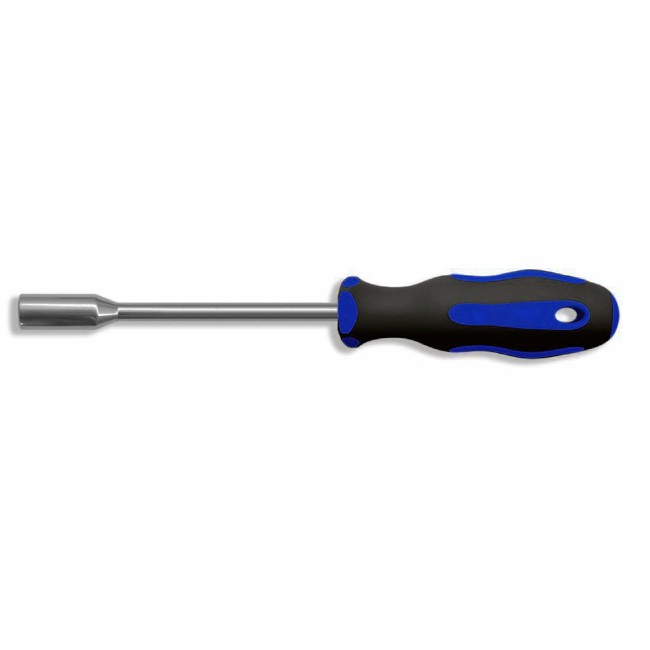

In addition to lubricating the bits themselves, it's also important to lubricate the chuck of your screwdriver. The chuck is the part of the screwdriver that holds the bit in place. Over time, the chuck can become dirty and dry, which can make it difficult to insert and remove the bits. To lubricate the chuck, apply a small amount of lubricant to the jaws of the chuck and then open and close the chuck several times to distribute the lubricant evenly.
Now that you know the best way to lubricate a screwdriver bit, let's talk about some tips and tricks to keep your bits in good condition.
- Store your bits properly: When you're not using your screwdriver bits, store them in a clean, dry place. You can use a toolbox, a bit holder, or a magnetic strip to keep your bits organized and protected.
- Use the right bit for the job: Using the wrong bit can damage the bit and the screw, and it can also make the screwdriving process more difficult. Make sure to choose the right bit for the type of screw you're working with.
- Don't over-tighten the screw: Over-tightening the screw can damage the bit and the screw, and it can also cause the screw to strip. Use a torque wrench or a screwdriver with a torque limiter to ensure that you're tightening the screw to the correct torque.
- Inspect your bits regularly: Check your screwdriver bits regularly for signs of wear and damage. If you notice any chips, cracks, or other damage, replace the bit immediately.
As a supplier of Screwdrivers and Bits, I offer a wide range of high-quality products to meet your needs. Whether you're looking for a Slot Head Screwdriver, a Hex Nut Driver, or a Short Stubby Screwdriver, I've got you covered. All of my products are made from the finest materials and are designed to last.
If you're interested in purchasing screwdrivers and bits, or if you have any questions about lubricating your tools, please don't hesitate to contact me. I'm here to help you keep your tools in top condition and make your DIY projects a success.
In conclusion, lubricating your screwdriver bits is an important part of tool maintenance. By following the tips and tricks outlined in this blog, you can keep your bits in good condition and extend their lifespan. Remember to choose the right lubricant for the job, clean the bit thoroughly before applying the lubricant, and store your bits properly when you're not using them. If you have any questions or need further advice, feel free to reach out. I'm always happy to help.
References
- "Tool Maintenance 101: Keeping Your Screwdrivers in Top Shape." DIY Magazine.
- "The Importance of Lubricating Your Tools." Mechanics Journal.