

What is the impact of table color on clothing display?
In the world of retail clothing, every element plays a crucial role in attracting customers and driving sales. One often overlooked factor is the color of the display tables. As a supplier of Retail Clothing Tables, I have witnessed firsthand how the choice of table color can significantly impact the presentation and perception of clothing items. In this blog post, I will explore the various ways in which table color affects clothing display and why it is an important consideration for retailers.
Psychological Impact of Colors
Colors have a profound psychological impact on human beings. They can evoke emotions, create moods, and influence purchasing decisions. When it comes to clothing display, the color of the table can set the tone for the entire presentation. For example, warm colors such as red, orange, and yellow are associated with energy, excitement, and passion. These colors can be used to create a sense of urgency and encourage impulse buying. On the other hand, cool colors such as blue, green, and purple are associated with calmness, relaxation, and trust. These colors can be used to create a more sophisticated and upscale atmosphere.
Retailers can use the psychological impact of colors to their advantage by choosing table colors that complement the style and mood of their clothing. For instance, a store that sells trendy and fashionable clothing might opt for a bold and vibrant table color to attract attention and create a sense of excitement. Conversely, a store that sells classic and elegant clothing might choose a more neutral and subdued table color to create a sophisticated and timeless look.
Contrast and Complementary Colors
Another important aspect of table color in clothing display is contrast and complementary colors. Contrast refers to the difference in color between the table and the clothing items. A high contrast between the table and the clothing can make the clothing stand out and become more noticeable. For example, if you are displaying black clothing on a white table, the black clothing will appear more prominent and eye-catching.
Complementary colors, on the other hand, are colors that are opposite each other on the color wheel. When used together, complementary colors can create a visually appealing and harmonious display. For instance, if you are displaying green clothing, you might consider using a red table to create a complementary color scheme. This can add a pop of color and make the display more engaging.
Retailers should carefully consider the contrast and complementary colors when choosing table colors for their clothing display. By creating a visually appealing contrast or using complementary colors, they can enhance the overall presentation of their clothing and make it more attractive to customers.
Branding and Consistency
Table color can also play a role in branding and consistency. A store's brand identity is often reflected in its color scheme, logo, and overall aesthetic. By choosing table colors that align with the store's brand identity, retailers can create a cohesive and consistent look throughout their store. This can help to reinforce the brand image and make the store more memorable to customers.
For example, if a store has a brand that is associated with a particular color, such as a well - known sports brand with a signature color, using that color on the display tables can help to strengthen the brand identity. Customers will immediately recognize the brand and feel a sense of familiarity and trust.
In addition to brand color, retailers should also consider the overall style and theme of their store. A modern and minimalist store might choose sleek and monochromatic table colors, while a bohemian - style store might opt for earthy and natural tones. Consistency in color and style across all aspects of the store, including the display tables, can create a more immersive and enjoyable shopping experience for customers.
Types of Tables and Their Color Suitability
As a Retail Clothing Table supplier, I offer a variety of table options, each with its own color suitability.
- Stackable Wooden Tables: These tables offer a warm and natural look. The natural wood tones, such as oak or walnut, are versatile and can complement a wide range of clothing styles. They work well for stores that sell casual, organic, or vintage - inspired clothing. The earthy colors of the wood create a cozy and inviting atmosphere. You can explore our Stackable Wooden Tables for more options.
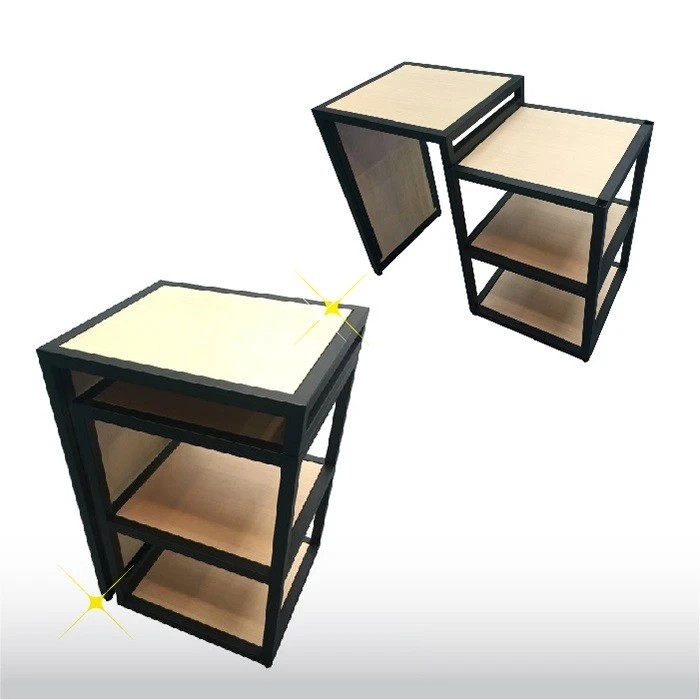
- Nesting Retail Tables: Nesting tables are a great space - saving solution. They can come in a variety of colors, from neutral whites and grays to bold and bright hues. Neutral - colored nesting tables are ideal for stores that want a clean and modern look, while colored nesting tables can add a touch of personality and playfulness. Check out our Nesting Retail Tables to find the perfect fit for your store.
- Minimalist Clothes Rail: While not a table, the minimalist clothes rail is an important part of clothing display. It often comes in simple and clean colors like black, white, or silver. These colors are perfect for a modern and minimalist store aesthetic, allowing the clothing to take center stage. Discover our Minimalist Clothes Rail to enhance your clothing display.
Lighting and Table Color
Lighting also plays a crucial role in how table color affects clothing display. Different lighting conditions can change the appearance of colors. For example, warm lighting can make warm - colored tables appear even warmer and more inviting, while cool lighting can make cool - colored tables look more crisp and modern.
Retailers should consider the type of lighting in their store when choosing table colors. If the store has a lot of natural light, they might choose lighter table colors to reflect the light and create a bright and airy atmosphere. In a store with artificial lighting, they need to test how the table color looks under different light sources to ensure that it enhances the clothing display.
Seasonal and Trend - Based Considerations
Table color can also be adjusted based on seasonal and trend - based considerations. During the holiday season, for example, retailers might choose table colors that are associated with the holidays, such as red and green for Christmas or orange and black for Halloween. This can create a festive and seasonal atmosphere in the store and attract customers who are in the holiday shopping mood.
In addition, following color trends in the fashion and interior design industries can also be beneficial. If a particular color is trending, using that color on the display tables can make the store seem more up - to - date and fashionable. However, it's important not to go overboard with trendy colors and ensure that they still fit within the overall brand and style of the store.

Conclusion
In conclusion, the color of display tables has a significant impact on clothing display. It can affect the psychological response of customers, create contrast and complementary color schemes, reinforce branding, and enhance the overall shopping experience. As a Retail Clothing Table supplier, I understand the importance of choosing the right table color for each store's unique needs.
If you are a retailer looking to enhance your clothing display, I encourage you to consider the factors discussed in this blog post when choosing table colors. Whether you are aiming for a bold and vibrant look, a sophisticated and timeless aesthetic, or a seasonal and trendy atmosphere, the right table color can make a big difference.
If you have any questions or would like to discuss your specific requirements for Retail Clothing Tables, please feel free to reach out. We are here to help you create the perfect clothing display that will attract customers and boost your sales.
References
- Color Psychology in Marketing and Branding, various academic and marketing research papers
- Retail Design and Visual Merchandising textbooks
- Industry reports on consumer behavior and the impact of store aesthetics on purchasing decisions