

Are there screwdriver bits for ceramic or glass materials?
When it comes to working with various materials, the right tools can make all the difference. As a leading supplier of screwdrivers and bits, we often receive inquiries about the availability of screwdriver bits suitable for ceramic or glass materials. In this blog post, we'll explore this topic in depth, discussing the challenges, potential solutions, and the products we offer that might be relevant to such tasks.
The Challenges of Working with Ceramic and Glass
Ceramic and glass are brittle materials. Unlike metals or woods, they are prone to cracking, chipping, or shattering under pressure. When using a screwdriver bit on these materials, the force applied during the screwing process can easily cause damage. The hardness of ceramic and glass also means that regular screwdriver bits may not be able to penetrate or grip effectively without causing breakage.
Are There Special Screwdriver Bits for Ceramic and Glass?
In general, there aren't standard screwdriver bits specifically designed for ceramic or glass. The nature of these materials makes traditional screwdriving techniques difficult to apply. However, there are some alternative approaches and modified tools that can be used in certain situations.
Diamond - Coated Bits
Diamond is one of the hardest substances on Earth. Diamond - coated screwdriver bits can potentially be used on ceramic and glass. The diamond coating provides a hard surface that can cut through the brittle material without excessive force. These bits are often used in precision applications where small holes need to be drilled or screws need to be inserted into ceramic or glass surfaces. The diamond coating helps to prevent the bit from slipping and reduces the risk of cracking the material.
Carbide - Tipped Bits
Carbide is another hard material that can be used in screwdriver bits. Carbide - tipped bits are more resistant to wear and can handle the hardness of ceramic and glass better than standard steel bits. They are suitable for light - duty applications where a small amount of force is required to drive a screw into the material. However, like diamond - coated bits, they need to be used with caution to avoid damaging the fragile surface.
Our Product Range and Their Suitability
As a screwdriver and bit supplier, we offer a wide range of products that might have some application in working with ceramic or glass, albeit with some limitations.
Phillips Tip Screwdriver
Our Phillips tip screwdrivers are designed for use with Phillips - head screws. While they are not specifically for ceramic or glass, in some cases where the ceramic or glass has pre - drilled holes and the screw is not being driven with excessive force, they can be used. The Phillips tip provides a good grip on the screw head, reducing the chances of slipping and causing damage to the surrounding material.
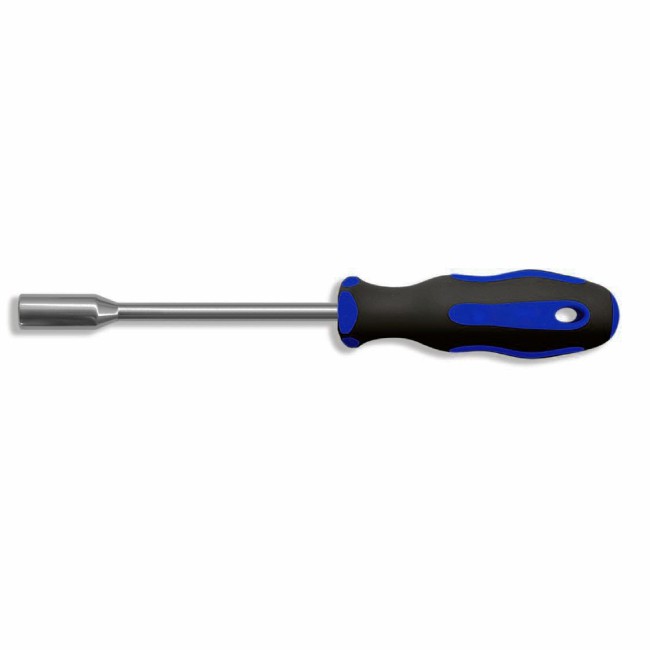
Hex Nut Driver
Hex nut drivers are useful for working with hexagonal nuts. Similar to the Phillips tip screwdriver, they can be used in situations where the ceramic or glass has been prepared properly. The hex shape provides a secure fit on the nut, allowing for controlled tightening or loosening.
Slot Head Screwdriver
Slot head screwdrivers are the most basic type of screwdriver. They can be used on ceramic or glass if the screw has a slot - head design. However, they require more precision to use, as the flat tip can easily slip off the screw head, potentially causing damage to the material.
Best Practices for Using Screwdriver Bits on Ceramic and Glass
If you decide to use our screwdriver bits on ceramic or glass, here are some best practices to follow:

- Pre - drill Holes: Always pre - drill holes in the ceramic or glass using a suitable drill bit. This helps to reduce the stress on the material when inserting the screw.
- Use Low - Speed and Gentle Force: Apply low - speed and gentle force when driving the screw. High - speed or excessive force can cause the material to crack or shatter.
- Lubrication: Use a small amount of lubricant on the screw and the bit. This can reduce friction and make the screwing process smoother.
- Support the Material: Make sure the ceramic or glass is well - supported during the screwing process. A stable base can prevent the material from moving and reduce the risk of cracking.
Conclusion and Call to Action
While there are no perfect screwdriver bits specifically tailored for ceramic and glass, with the right approach and the use of appropriate tools, it is possible to work with these materials. Our range of screwdrivers and bits, including Phillips Tip Screwdriver, Hex Nut Driver, and Slot Head Screwdriver, can be used in certain situations with proper precautions.
If you are interested in exploring our products further for your specific needs related to working with ceramic or glass, we encourage you to contact us for a detailed discussion. Our team of experts can provide you with more information on the products, their suitability, and any technical advice you might need. We look forward to working with you and helping you find the right tools for your projects.
References
- "Materials Science and Engineering: An Introduction" by William D. Callister Jr. and David G. Rethwisch.
- Industry research reports on screwdriver bit materials and applications.