

Can I use a power screwdriver bit in a pneumatic screwdriver?
In the domain of tools, selecting the appropriate bits for your screwdriver is crucial to ensure efficient and effective work. As a supplier specializing in Screwdrivers and Bits, I often encounter inquiries from customers about the compatibility of different bits with various types of screwdrivers. One frequently asked question is: "Can I use a power screwdriver bit in a pneumatic screwdriver?" In this blog post, I'll delve into this topic to provide a comprehensive answer.
Understanding Power and Pneumatic Screwdrivers
Before we tackle the compatibility question, it's essential to understand the fundamental differences between power screwdrivers and pneumatic screwdrivers. Power screwdrivers are typically electrically powered, either corded or cordless. They offer a convenient and user - friendly option for a wide range of applications, from DIY projects at home to light - duty professional tasks. These screwdrivers provide precise control over the torque and speed, making them suitable for delicate work.
On the other hand, pneumatic screwdrivers are powered by compressed air. They are commonly used in industrial settings where high torque and continuous operation are required. Pneumatic screwdrivers are known for their durability and high performance, often capable of handling heavy - duty fastening tasks quickly and efficiently.
Design and Compatibility Factors
When it comes to bit compatibility, several design factors need to be considered.
-
Shank Size: Both power and pneumatic screwdrivers come with specific shank sizes for their bits. The shank is the part of the bit that fits into the screwdriver's chuck. Most power screwdrivers have a standard 1/4 - inch hex shank, which is also a common size in many pneumatic screwdrivers. If your power screwdriver bit has a 1/4 - inch hex shank and your pneumatic screwdriver is designed to accept 1/4 - inch hex shanks, then physically, the bit can be inserted into the pneumatic screwdriver without issue. However, there are other important factors to consider beyond just the shank size.
-
Torque and Speed Handling: Power screwdrivers usually operate at lower rotational speeds and deliver relatively less torque compared to pneumatic screwdrivers. Power screwdriver bits are designed to withstand the specific torque and speed ranges of their corresponding drivers. When you use a power screwdriver bit in a pneumatic screwdriver, the high - speed and high - torque operation of the pneumatic tool can put excessive stress on the bit. This stress may cause the bit to break, strip, or wear out quickly. For example, if you're using a pneumatic screwdriver to drive large or stubborn screws, the forces exerted can far exceed what a power screwdriver bit is designed to handle.
-
Build Quality and Durability: Pneumatic screwdriver bits are built to be more robust and durable than power screwdriver bits in general. They are made from high - grade materials and undergo specialized heat - treating processes to withstand the harsher working conditions associated with pneumatic tools. Power screwdriver bits may be more likely to deform or fail under the high - pressure operation of a pneumatic screwdriver.
Situations Where It Might Work
In some light - duty applications, you may be able to use a power screwdriver bit in a pneumatic screwdriver without significant problems. For instance, if you're working on a task that requires low torque, such as assembling light - weight furniture or small plastic components, the power screwdriver bit might be able to handle the relatively mild forces exerted by the pneumatic screwdriver. However, it's important to monitor the bit closely for any signs of wear or damage during use.
Potential Risks and Drawbacks
As mentioned earlier, one of the main risks of using a power screwdriver bit in a pneumatic screwdriver is bit failure. A broken bit can not only lead to increased downtime but also pose a safety risk if the broken pieces fly off. Additionally, using an inappropriate bit may damage the screw head, making it difficult or impossible to remove or adjust the screw later.
The rapid wear and tear of the power screwdriver bit can also result in additional costs. You'll need to replace the bits more frequently, which can be a financial burden over time, especially in a professional setting where a large number of screws need to be driven on a regular basis.
Our Range of Screwdrivers and Bits
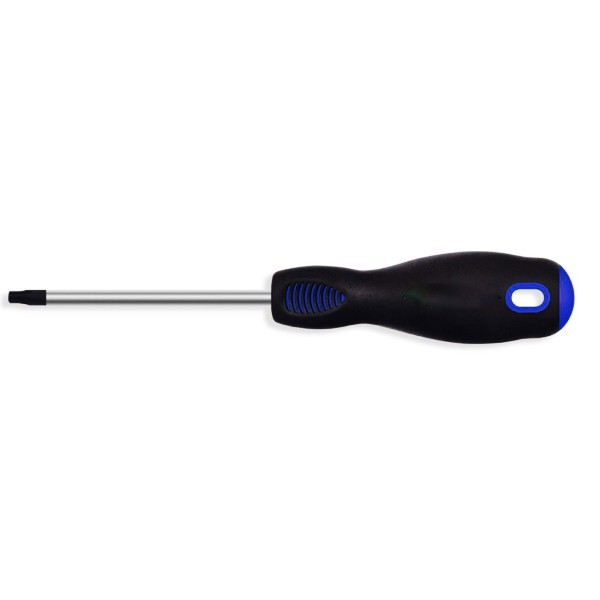
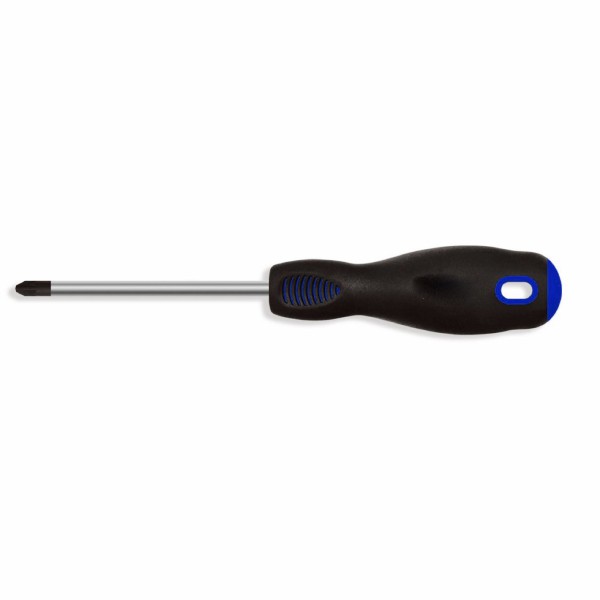
At our company, we offer a wide variety of screwdrivers and bits to meet different needs. We have high - quality Slot Head Screwdriver, Pozi Head Screwdriver, and Star End Screwdriver options available. Our pneumatic screwdriver bits are specifically designed to withstand the high - torque and high - speed operation of pneumatic tools, ensuring long - lasting performance and reliability.
Our power screwdriver bits are also crafted with precision, providing a perfect fit for power screwdrivers and offering excellent performance for a variety of tasks. Whether you're a professional tradesperson or a DIY enthusiast, we have the right tools for your needs.
Conclusion and Call to Action
In conclusion, while it may be physically possible to use a power screwdriver bit in a pneumatic screwdriver in some situations, it's generally not recommended due to the potential risks of bit failure, damage to the screw head, and increased costs associated with frequent bit replacement. To ensure the best performance and safety of your screwdriving tasks, it's advisable to use the appropriate bits for each type of screwdriver.
If you're interested in learning more about our Screwdrivers and Bits or are looking to make a purchase, we're here to assist you. We can provide detailed product information and help you select the right tools for your specific requirements. Reach out to us to discuss your needs and start a fruitful business relationship.
References
- "Tool Handbook: A Comprehensive Guide to Choosing and Using Hand Tools." ABC Publishing, 20XX.
- Manufacturer's specifications for power and pneumatic screwdrivers.