

How do I organize my collection of screwdrivers and bits?
As a supplier of screwdrivers and bits, I've spent years not only dealing with these essential tools but also finding the best ways to organize them. A well - organized collection is not just about aesthetics; it's about efficiency, safety, and customer satisfaction. In this blog, I'll share some of the methods I use to keep my screwdriver and bit collection in top - notch order.
Why Organization Matters
First and foremost, let's understand why organizing a collection of screwdrivers and bits is so important. When you're in the business of supplying these tools, time is money. An organized collection allows you to quickly locate the right tool for a customer's order. This reduces fulfillment time and enhances the overall customer experience.
Moreover, proper organization can extend the lifespan of your tools. Screwdrivers and bits are precision instruments, and when they're haphazardly thrown together, they can get damaged. For example, the tips of bits can get chipped, and the shafts of screwdrivers can get bent. By keeping them organized, you protect your inventory and save on replacement costs.
Sorting by Type
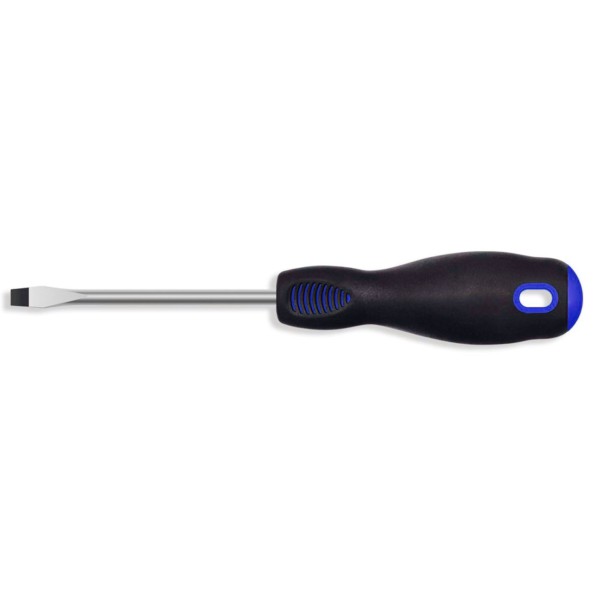
One of the most basic yet effective ways to organize your screwdriver and bit collection is by type. There are various types of screwdrivers, such as Insulated Slotted Screwdriver, Slot Head Screwdriver, and Go Through Screwdriver. Each type has its own unique design and purpose.
For slotted screwdrivers, you can group them by size. This makes it easy to find the right one for a particular job. Bits, on the other hand, come in a wide range of shapes and sizes, including Phillips, Torx, and hex. Sorting them into separate containers based on their shape is a great start. You can further subdivide these groups by size. For instance, you can have a small container for all the #1 Phillips bits, another for #2, and so on.
Using Tool Racks and Cabinets
Tool racks and cabinets are invaluable when it comes to organizing screwdrivers and bits. Wall - mounted tool racks are a great option for larger screwdrivers. You can hang them by their handles, which not only keeps them visible but also prevents them from getting tangled with other tools. Make sure to label each slot on the rack so that you can quickly identify the type and size of the screwdriver.
For bits, you can use specialized bit organizers. These often come with individual compartments for each bit, which helps in preventing damage and makes it easy to see what you have. If you have a large collection of bits, consider using a multi - tiered bit organizer. This allows you to stack multiple layers of bits, maximizing your storage space.
Cabinets are also useful for storing both screwdrivers and bits. You can use the drawers in the cabinet to store smaller tools and bits, while the shelves can be used for larger screwdrivers and bulk packaging. Make sure to keep the cabinet doors closed to protect the tools from dust and debris.
Color - Coding
Color - coding is a simple yet powerful organizational technique. You can assign a specific color to each type or size of screwdriver and bit. For example, you could use red labels for all Phillips bits, blue for Torx bits, and green for hex bits. This makes it easy to spot the right tool at a glance, even from a distance.
You can also use color - coded caps or sleeves on the screwdriver handles to indicate their size. For instance, a small screwdriver could have a yellow cap, a medium - sized one a green cap, and a large one a red cap. This system can significantly speed up the process of finding the right tool, especially when you're in a hurry.

Digital Inventory Management
In today's digital age, using a digital inventory management system is a must. There are many software applications available that can help you keep track of your screwdriver and bit collection. These systems allow you to record details such as the type, size, quantity, and location of each tool.
You can use barcode scanners to quickly scan in new inventory and update the system when items are sold or moved. This not only helps in keeping an accurate count of your tools but also provides valuable insights into your sales trends. For example, you can see which types of screwdrivers and bits are selling the most and adjust your inventory accordingly.
Regular Maintenance and Checks
Organization is not a one - time task; it requires regular maintenance. Set aside some time each week or month to check your screwdriver and bit collection. Look for any damaged tools and replace them immediately. Make sure that all the tools are in their proper places and that the labels are still legible.
Clean your tools regularly to prevent rust and corrosion. You can use a mild detergent and a soft cloth to clean the screwdriver handles and bits. For bits, you can also use a bit cleaner to remove any debris or grease.
Conclusion
Organizing a collection of screwdrivers and bits is essential for any supplier. By sorting by type, using tool racks and cabinets, color - coding, implementing digital inventory management, and performing regular maintenance, you can ensure that your collection is always in order. This not only improves your efficiency but also enhances the customer experience.
If you're in the market for high - quality screwdrivers and bits, or if you have any questions about organizing your own collection, I'd be more than happy to assist you. Feel free to reach out to discuss your specific needs and explore the possibilities of working together.
References
- "Tool Organization Best Practices" - Industry Handbook on Hand Tools
- "Digital Inventory Management for Small Businesses" - Journal of Business Operations