

What is the best way to clean screwdriver bits?
As a trusted supplier of Screwdrivers and Bits, I've witnessed firsthand the importance of maintaining the quality of these essential tools. One crucial aspect that often gets overlooked is the proper cleaning of screwdriver bits. In this blog, I'll share the best ways to clean screwdriver bits, ensuring their longevity and optimal performance.
Why Cleaning Screwdriver Bits Matters
Before delving into the cleaning methods, it's essential to understand why cleaning screwdriver bits is so important. Over time, screwdriver bits accumulate dirt, grease, metal shavings, and other debris from various applications. This buildup can not only affect the bit's ability to grip screws properly but also lead to corrosion and premature wear. By keeping your screwdriver bits clean, you can:
- Enhance Performance: A clean bit provides better torque transfer and reduces the risk of slipping, making your work more efficient and safer.
- Extend Lifespan: Regular cleaning helps prevent corrosion and damage, ensuring your bits last longer and deliver consistent performance.
- Maintain Safety: Dirty bits can pose a safety hazard, especially in electrical or precision work. Cleaning them reduces the risk of short circuits or damage to sensitive components.
Cleaning Methods
Now that we understand the importance of cleaning screwdriver bits, let's explore the best methods to achieve a thorough clean.
1. Manual Cleaning
Manual cleaning is a straightforward and effective way to remove loose debris from screwdriver bits. Here's how you can do it:
- Use a Brush: A small, stiff-bristled brush, such as a toothbrush or a wire brush, can be used to gently scrub the bits. Start by brushing the tip of the bit to remove any dirt or debris that may be stuck in the grooves. Then, work your way down the shaft of the bit, paying attention to any hard-to-reach areas.
- Compressed Air: Compressed air can be used to blow away loose debris from the bits. Hold the bit firmly and direct the compressed air at the tip and shaft to remove any dust or particles. Be careful not to use too much pressure, as this can damage the bit.
- Wipe with a Cloth: After brushing and using compressed air, wipe the bits with a clean, dry cloth to remove any remaining debris. This will help ensure a clean and smooth surface.
2. Solvent Cleaning
For more stubborn dirt and grease, solvent cleaning may be necessary. Here's how you can do it:
- Choose the Right Solvent: There are several solvents available that can effectively clean screwdriver bits, such as isopropyl alcohol, acetone, or a specialized tool cleaner. Choose a solvent that is safe for the type of bit you are cleaning and follow the manufacturer's instructions.
- Soak the Bits: Place the bits in a container filled with the solvent and let them soak for a few minutes. This will help loosen the dirt and grease, making it easier to remove.
- Scrub the Bits: After soaking, use a brush to scrub the bits gently. Pay attention to the tip and grooves, as these areas tend to accumulate the most dirt.
- Rinse and Dry: Once you have scrubbed the bits, rinse them thoroughly with clean water to remove any remaining solvent. Then, dry them completely with a clean, dry cloth or by using compressed air.
3. Ultrasonic Cleaning
Ultrasonic cleaning is a highly effective method for cleaning screwdriver bits, especially for removing small particles and contaminants. Here's how it works:
- Fill the Ultrasonic Cleaner: Fill the ultrasonic cleaner with a suitable cleaning solution, such as a mild detergent or a specialized tool cleaner. Follow the manufacturer's instructions for the correct amount of solution to use.
- Place the Bits in the Cleaner: Carefully place the screwdriver bits in the ultrasonic cleaner, making sure they are fully submerged in the cleaning solution. Avoid overcrowding the cleaner, as this can reduce the effectiveness of the cleaning process.
- Turn on the Cleaner: Turn on the ultrasonic cleaner and set the appropriate cleaning time and temperature. The ultrasonic waves will create tiny bubbles in the cleaning solution, which will implode and create a powerful cleaning action.
- Rinse and Dry: After the cleaning cycle is complete, remove the bits from the ultrasonic cleaner and rinse them thoroughly with clean water to remove any remaining cleaning solution. Then, dry them completely with a clean, dry cloth or by using compressed air.
Tips for Maintaining Clean Screwdriver Bits
In addition to regular cleaning, there are several tips you can follow to maintain the cleanliness and performance of your screwdriver bits:
- Store Bits Properly: Store your screwdriver bits in a clean, dry place, preferably in a tool box or a bit holder. This will help prevent them from getting dirty or damaged.
- Use the Right Bit for the Job: Using the wrong bit for a job can cause damage to the bit and the screw, and can also lead to the accumulation of dirt and debris. Make sure you use the correct bit for the type of screw you are working with.
- Clean Bits After Each Use: To prevent the buildup of dirt and debris, it's a good idea to clean your screwdriver bits after each use. This will help keep them in good condition and ready for the next job.
- Inspect Bits Regularly: Regularly inspect your screwdriver bits for signs of wear, damage, or corrosion. If you notice any issues, replace the bit immediately to ensure safe and effective use.
Conclusion
Cleaning screwdriver bits is an essential part of maintaining their performance and longevity. By following the methods and tips outlined in this blog, you can ensure that your screwdriver bits are always clean, sharp, and ready for use. Whether you're a professional tradesperson or a DIY enthusiast, taking the time to clean and maintain your screwdriver bits will pay off in the long run.
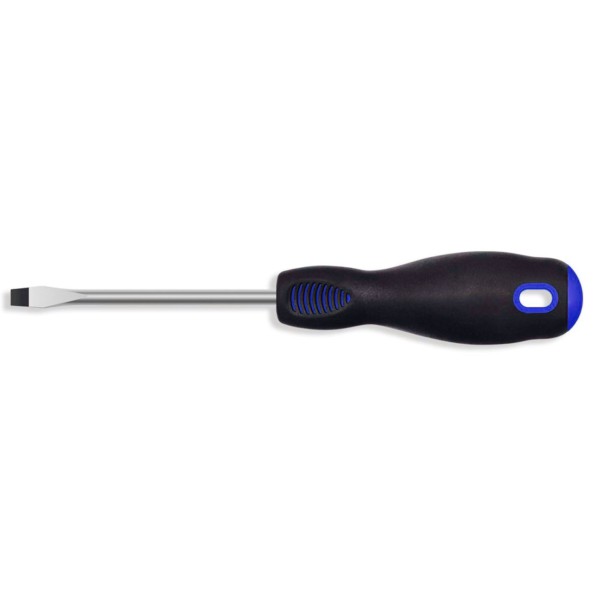
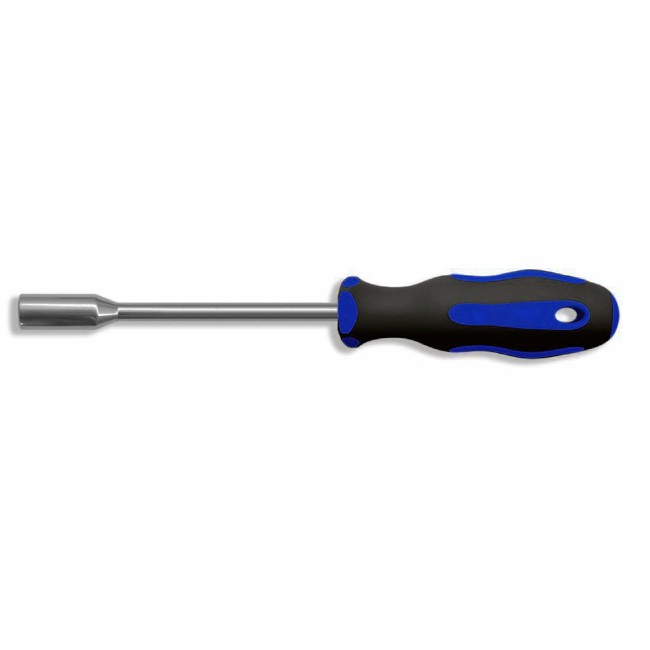
If you're in the market for high-quality screwdriver bits, we offer a wide range of products to meet your needs. Check out our Hex Nut Driver, Go Through Screwdriver, and Slot Head Screwdriver for reliable and durable options.
If you have any questions or would like to discuss your specific requirements, please don't hesitate to contact us. We're here to help you find the best screwdriver bits for your projects.
References
- "Tool Maintenance Guide," Various Tool Manufacturers
- "Best Practices for Cleaning and Maintaining Hand Tools," Industry Publications