


Storage cabinets can be used for storing documents, files, tape files, machinery or tools. In addition, storage cabinets can provide about twice the storage capacity compared to common shelving. You can also store dangerous sharp objects in a cabinet instead of storing it on an open shelf.
Advantages of Storage Cabinet
Organized space
One of the most significant benefits of storage cabinets is that they provide you with an organized space. They allow you to maximize your storage space, keeping your items organized and within reach.
Better security
By employing highly secure metal storage cabinets you can lock stock, valuables and other products away before the end of the working day so that it can be kept safe while providing you and your employees great peace of mind.
Long-lasting
Storage cabinets are typically durable and long-lasting, making them a great investment for your space. They can withstand wear and tear, ensuring that your items are safe and secure.
Metal cabinet flexibility
A major advantage of using a storage cabinet is that they come in many different styles and sizes. Because of this, you can find the exact size and shape that best suits its purpose while choosing the one that is ideally suited to your particular circumstances.


Why Choose Us

24H online service
You can contact us to inquire about pre-sales, sales, and after-sales services, and we will give you a very satisfactoryWe are at your service online 24 hours a day.
High quality
Our products are manufactured or executed to very high standards, using the finest materials and manufacturing processes.
One-stop solution
With rich experience and one-to-one service,we can help you choose products and answer technical questions.
Strictly control the procurement
Insist on quality first, pursuing the concept of integrity, keep quality promise, to comply with state laws and regulations and relevant standards, establish a good corporate reputation and social image, win the trust of the community and win market, improve customer satisfaction and customer.
Types of Storage Cabinet
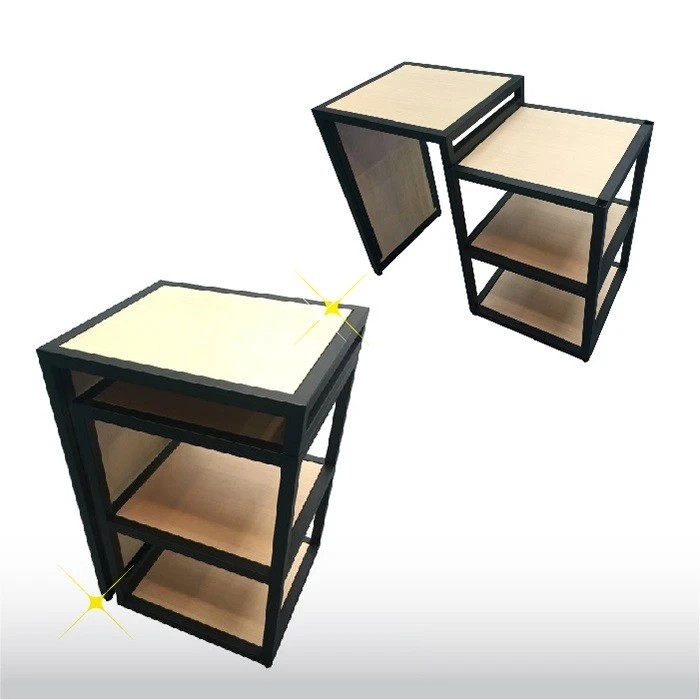
Metal storage cabinets
These are durable storage cabinets made of steel or other metal materials. They are commonly used in workshops, factories, and other industrial settings.
Fume hoods
Fume hoods are essential safety devices in laboratories. They provide a controlled environment for handling hazardous chemicals by effectively removing toxic fumes and vapors through ventilation. Fume hoods protect lab personnel from exposure to harmful substances and ensure a safer working environment, making them a fundamental tool in chemical research and experimentation.


Biosafety cabinets
They are often referred to as bookcases and storage cabinets and are critical in microbiology and healthcare settings. They provide a sterile and safe workspace, preventing contamination of biological materials and protecting researchers and patients from infectious agents. BSCs are indispensable for work involving pathogens and biohazardous materials.
Deep freezer
Deep freezers are ultra-low-temperature storage units, typically operating at temperatures of -20°C to -80°C. They are crucial in scientific research, healthcare, and food preservation, ensuring long-term storage of vaccines, biological samples, and frozen foods. Deep freezers help maintain the integrity and viability of sensitive materials.

Material of Storage Cabinet
Solid wood
Solid wood is one of the most popular materials for kitchen cabinets for its natural beauty, strength, durability, longevity, and versatility for different styles—though that does make it a premium cabinet material. Since no two pieces of wood are alike, neither are wood cabinets. From color, grain, pattern, and texture, wood cabinets have a wide range of looks and styles they can match.
High-density fiberboard
An engineered wood variant made with wood fibers mixed with resins and glue, high-density fiberboard (also called hardboard) provides the hardness and appearance of wood cabinets but without the price tag. It’s denser than solid wood, though less expensive than both hardwood and plywood.
Metal
Metal storage cabinets are strong and durable, making them ideal for heavy-duty storage needs. They are often made from steel or aluminum and can be powder-coated for added protection.
Plastic
Plastic storage cabinets are lightweight and easy to clean, making them a popular choice for storage in garages, sheds, and other outdoor areas. They are also affordable and come in a variety of colors.
Application of Storage Cabinet
Home organization
Storage cabinets are perfect for keeping your home organized. They can be used in your bedroom, living room, kitchen, or bathroom to store clothes, books, toys, kitchenware, or toiletries.
Office storage
Storage cabinets are commonly used in offices to store files, documents, and office supplies. They can be placed in individual workstations or common areas for easy access.
Garage storage
Storage cabinets are ideal for organizing tools, equipment, and automotive supplies in your garage. They can help create a clutter-free workspace.
Retail display
Storage cabinets can be used in retail stores to display products. They can be customized with shelves and doors to fit different types of merchandise.
Library storage
Storage cabinets are commonly used in libraries to store books, magazines, and DVDs. They can be customized to fit different sizes of materials and can help keep the library organized.
Industrial use
Storage cabinets are used in factories and warehouses to store tools, equipment, and supplies. They can be made of heavy-duty materials to withstand tough industrial environments.
Process of Storage Cabinet
Pre-cut your cabinet pieces
First, cut your plywood pieces to a uniform size for the cabinet dimensions you would like to make with your table or circular saw. Cut the four main sides of your cabinet.
Add dado-grooves for a flush look
This is an optional step if you want to add reinforcement to your cabinet and give panel pieces a more seamless appearance without screws showing on the outside of your cabinet. Using a dado blade or router, cut a 3/4-inch dado groove along the bottom edge of each side panel piece. This creates a channel for pieces to fit together with the bottom panel. Next, set your blade to a 1/4-inch width and carve a groove down the length of one of your brace pieces.
Join panels together
Apply a liberal amount of glue along the grooves or edges of your side panel and fit it into place with the adjoining panels. Use your parallel-jaw clamps to keep the panels secure and square while the glue dries. Work your way around until the side, back, and bottom panels are all joined—this should look like a three-sided box with a bottom and no top.
Frame up a toekick for a stationary cabinet
If you would like your cabinet to sit on the ground rather than on caster wheels, you can create a toe kick frame for it. From one of your 3/4-inch plywood panels, cut four boards for a frame. Miter the edges so they can be joined together with wood glue. Add some pocket holes or additional screws for reinforcement—sandpaper the corners to remove any rough edges. Once the glue dries, put your toe kick plate frame on the floor. Set the cabinet on top of it, and secure the cabinet with wood glue and screws.
Attach casters for a rolling cabinet
Casters typically come in packs of four, and you can purchase these in a variety of sizes and features. Casters are a handy feature if you want the option to move or reposition your storage cabinet. Plate mount casters work well for cabinets, and you might even want to consider locking casters to ensure your cabinet stays in place without any unwanted rolling.
Reinforce the cabinet with brace pieces
On each brace piece, drill two pocket holes on each end (these should be on the same flat side of the board).Take your brace piece with the 1/4-inch dado groove and rest it on top of the back panel. Secure it into place with four pocket screws. Attach the other brace piece to the front of the panel. Move to the back of the cabinet and install another brace piece above the toe kick along the bottom of the back panel (between the side panels) with pocket screws. Grab the last brace piece and install it at the top of the back panel (these braces are also known as the upper and lower nailer pieces).
Add shelves
Secure these supporting pieces with screws—adding a screw every half-foot. Measure and cut a 3/4-inch plywood piece to fit and slide into place. Secure with wood glue or screws. Remember to double-check your shelf is straight, using a level on the supporting pieces before fastening the plywood shelf.
Create a face frame
From a 3/4-inch plywood board, cut to size the inside strips that will create the frame. Join these pieces together with wood glue, putting in the side pieces first and then adding the top and bottom pieces. After the exterior face frame’s glue is dry, attach it to the cabinet box with more wood glue. Reinforce the frame by tacking in several nails on each side. You can later fill in the nail holes with wood filler. To fill in the seam along the sides of the frame and the cabinet, smudge in an epoxy filler.
Smooth out cabinet surface
Once the epoxy and wood filler dries, take an electric sander and sand along the cabinet seams. Then, with a piece of sandpaper, give it a final polish by sanding the inside edges of the frame.
Put a top on it
If your storage cabinet is taller or has a more minimalist look, you can use the same wood that you used for the rest of the cabinet to create a top. All you need to do is apply more wood glue to the top of the cabinet and secure a piece that is cut to the same dimensions as your bottom panel. If your cabinet is on the shorter side and you’d like to add another design element, you can choose to add a countertop. Laminate is one of the easiest countertop materials to use in a DIY.
Complete the look with paint or stain
Before adding your door and hardware, you’ll want to finish out your cabinet surfaces with any paint or stain. Prep the surface for painting by sanding with a 120-grit first, then go ahead with your decorative finish.
Install doors and hardware
Every storage cabinet needs doors and hardware to, well, hide the mess inside. If you want to add a little extra flair and finesse to your new cabinet, the classic shaker style is one of the easiest types of doors to make.
How to Maintain Storage Cabinet
Clean the cabinet regularly
Dust, dirt, and grime can build up on the cabinet's surface, making it look dirty and dull. Use a soft cloth or a damp sponge to wipe down the cabinet's surface regularly.
Keep the cabinet dry
Moisture can damage the cabinet's surface, causing it to warp and rot. To prevent this, keep the cabinet dry and well-ventilated. Avoid placing the cabinet in damp areas or areas with high humidity.
Organize the contents of the cabinet
A cluttered cabinet is difficult to maintain. Organize the contents of the cabinet, so everything has a place. This makes it easier to find what you need, and it reduces the risk of damage during storage.
Check for pests
Pests such as termites, rodents, and insects can damage the cabinet's surface and contents. Regularly check the cabinet for signs of pests, such as droppings or chew marks. If you find any, take appropriate measures to get rid of the pests.
Avoid placing heavy items on the cabinet
Heavy items can damage the cabinet's surface and cause it to sag or break. Avoid placing heavy items on the cabinet, or make sure they are properly supported.
Use appropriate cleaning products
Harsh chemicals and abrasive cleaners can damage the cabinet's surface. Use appropriate cleaning products that are designed for the cabinet material. Test any new products on a small, inconspicuous area before using them on the entire cabinet.
How to Choose Storage Cabinet
Consider your storage needs
What do you plan to store in your cabinet? Will you need shelves or drawers? Will you be storing large items that require more space? Make a list of the items you plan to store and their sizes to ensure that the cabinet you choose has enough space.
Think about the space you have
Take measurements of the space where you plan to put the cabinet. You don't want to buy a cabinet that won't fit in your desired space.
Decide on style
Storage cabinets come in various styles, including modern, traditional, rustic, and industrial. Choose a style that complements your room's décor and personal taste.
Consider the material
Storage cabinets are made of various materials, including wood, metal, and plastic. Consider the durability and maintenance requirements of the material for the intended use.
Look at the features
Consider additional features that may make your storage needs easier, such as wheels for mobility, locks for security, or adjustable shelves.
Things to Note When Using Storage Cabinet
Load Capacity: It is important to check the recommended load capacity of the cabinet before storing items in it. Overloading the cabinet may cause damage or lead to accidents.
Weight Distribution: When loading the cabinet, it is important to distribute the weight evenly to avoid placing stress on any one part of the cabinet. Heavier items should be stored on the lower shelves or in the bottom drawers.
Locking Mechanism: To ensure the safety of your stored items, it is important to lock the cabinet properly. Check that the locking mechanism is working correctly and that the keys are kept in a secure location.
Accessibility: When choosing a storage cabinet, consider how easily you will be able to access the items you need. Shelves should be easily adjustable to accommodate different sized items, and drawers should glide smoothly and lock securely when closed.
Cleaning: Regular cleaning of the storage cabinet is important to prevent dust or moisture buildup that can damage your stored items. Use a damp cloth to wipe down the shelves and drawers, and consider using a dehumidifier if the cabinet is in a damp environment.
How Do You Assemble Storage Cabinet
Read the instructions
Begin by carefully reading the instructions that came with your storage cabinet. Take note of any tools and hardware that you will need to complete the assembly.
Gather your tools
Depending on the unit you purchased, you may need a screwdriver, hammer, level, and drill. Make sure you have everything you need before you begin.
Identify all parts
Sort all the parts and hardware by type and size. Make sure you have all the necessary pieces before you start.
Begin the assembly
Start at the base of the cabinet and work your way up. If the instructions suggest that two people work together, it's best to get assistance from someone else.
Install the back pane
Most storage cabinets come with a thin fiberboard or hardboard back panel. You can easily install this by lining it up and securing it with nails or screws.
Attach the shelves and dividers
Place the shelves and dividers where you want them and secure them firmly. Be sure to measure accurately so that everything is level and straight.
Install the doors
Attach the door hinges according to the instructions. If the cabinet comes with drawers, ensure they are installed correctly.
Check for stability
Make sure the cabinet is level and stable. Adjust any feet or other parts as necessary to ensure that everything is properly aligned.
Finish up
Once all the parts are secured, tidy up any loose screws or hardware.

Yes, storage cabinets can be used in outdoor environments. However, the type of cabinet and material used needs to be carefully chosen to ensure it is suitable for outdoor use. Cabinets made from materials like metal or plastic are often more durable and able to withstand harsh weather conditions. Cabinets with weatherproof seals and locks can help protect items stored inside from rust, moisture, and theft. It is important to regularly maintain and clean outdoor storage cabinets to prevent damage from weather and other outdoor elements.
Our Factory
We have a complete supply chain for one-stop service from design, space planning, prototyping, manufacturing, and assembling to export.With over a decade of experience, we satisfy a variety of industries from crossover and integration.Creating an inspirational space is our objective; for us, our name is more than that: A full-energy room should have experience in a happy and healthy environment. We dedicate to seeing our customers succeed. Your goals are our goals.

Certifications


We're professional storage cabinet manufacturers and suppliers in Taiwan, specialized in providing high quality customized service. We warmly welcome you to buy or wholesale storage cabinet at competitive price from our factory.
